


Could you start by telling our readers a little about your company and the local challenges you face when it comes to wastewater treatment?
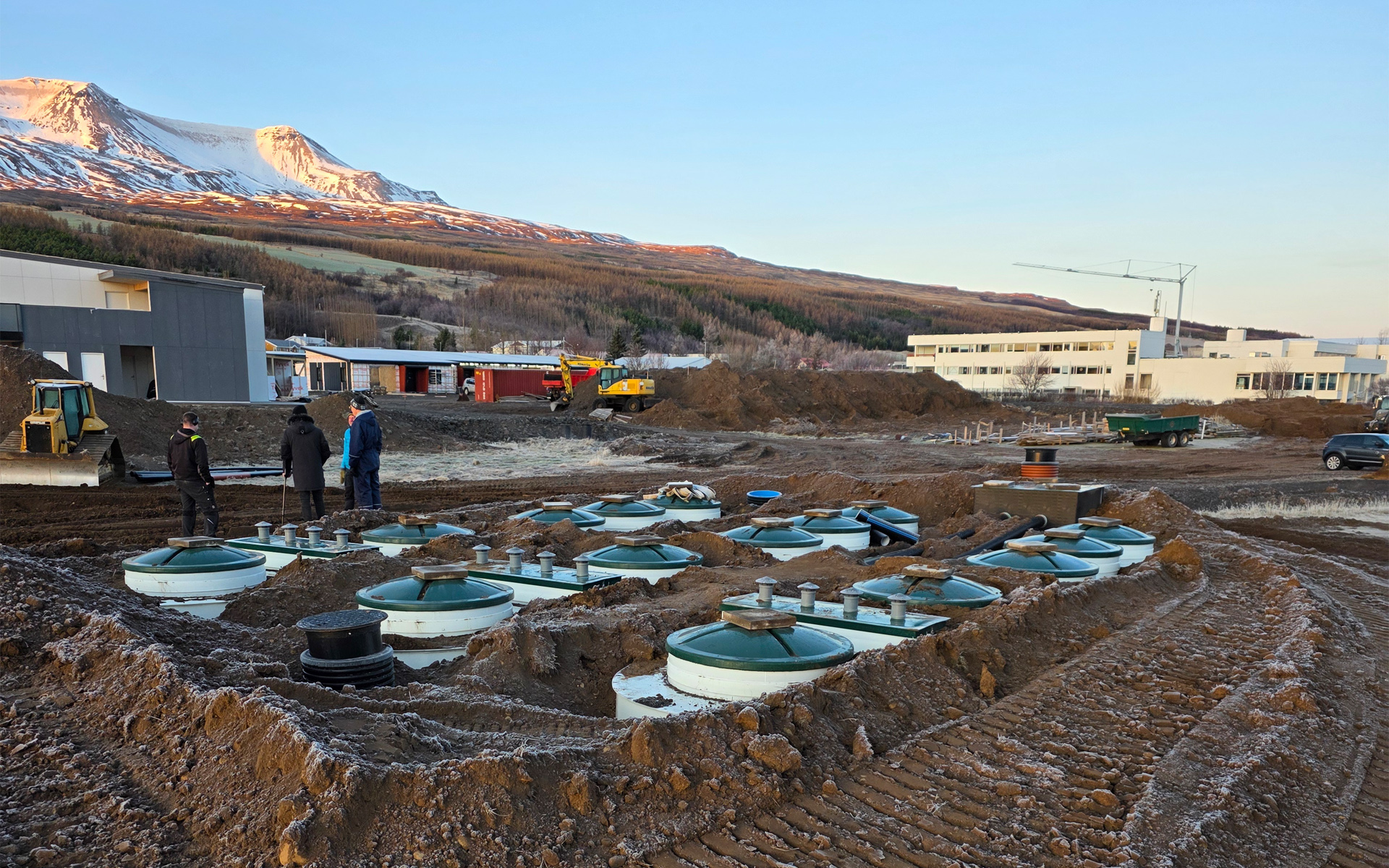
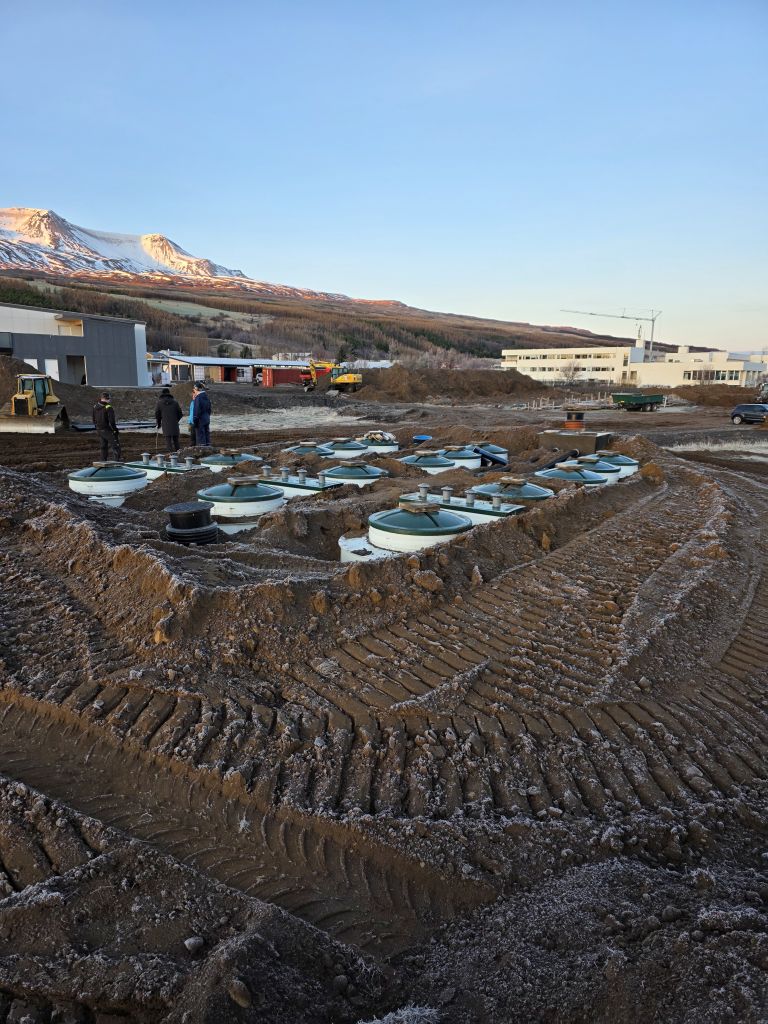
Hagvís ehf. works across Iceland with a strong focus on sustainable wastewater solutions for municipalities, tourism operators, rural communities, and infrastructure projects as well as for individuals. Iceland faces several unique challenges: highly variable population loads due to tourism, harsh climate conditions, decentralized settlement patterns, and aging infrastructure that was never designed to meet modern environmental standards. Many municipalities still rely on outdated systems or direct discharge to the environment, which creates an urgent need for compact, reliable and regulatory-compliant biological treatment solutions. Our role is to help clients navigate this complexity and adopt solutions that deliver long-term environmental and operational value.
What was the specific situation or challenge your organization needed to address that led to our collaboration?
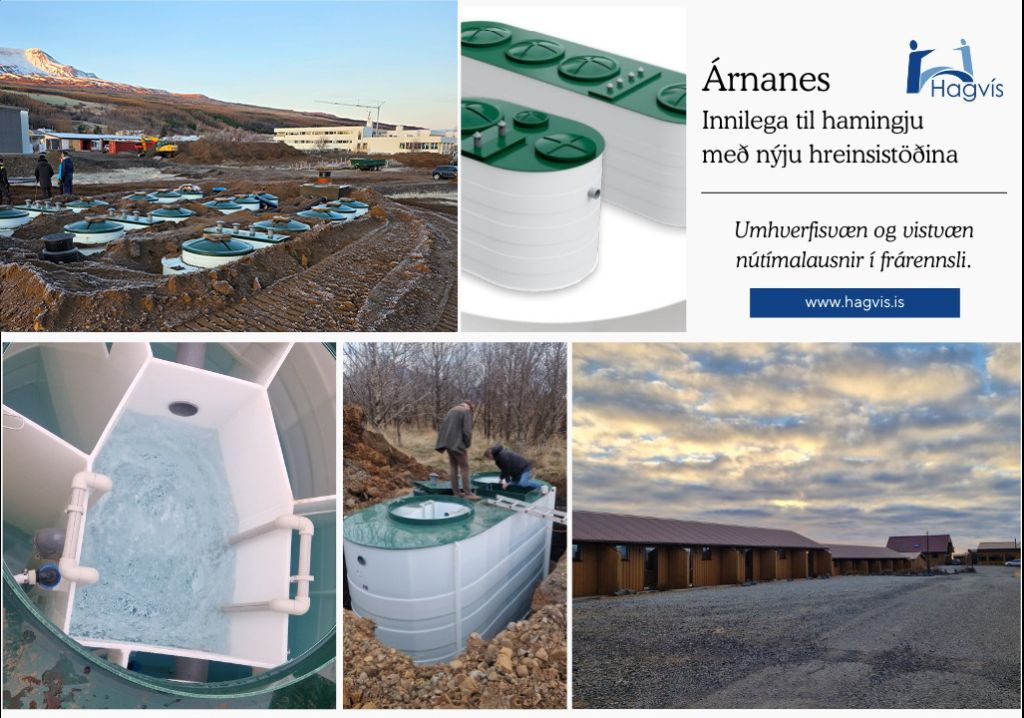
We needed a partner capable of delivering high-quality pretreatment and biological treatment units that were robust enough for Icelandic conditions while still being flexible in design and scalable for municipalities, private operators and individuals. Increasing regulatory pressure made it necessary to find systems backed by strong certification, clear technical documentation, and reliable engineering support. LZT offered exactly this combination: proven performance, professional communication, and solutions suited for northern climates. This aligned perfectly with our goal of offering a modern and comprehensive treatment portfolio to the Icelandic market.
From your perspective, what made our collaboration effective? Which aspects of working together did you find most valuable?
Three aspects stand out:
- Responsiveness and technical clarity. The LZT team provides quick, precise answers that help us resolve engineering questions and support our municipal clients in real time.
- Quality of documentation and engineering support. Drawings, certificates, and datasheets are detailed, consistent, and easy to integrate into Icelandic regulatory submissions.
- A partnership mindset. LZT approaches each project with flexibility and a willingness to co-develop solutions based on local conditions. This has been essential for building trust with both municipalities and engineering firms in Iceland.
Thinking back, is there a fun or unique memory from our projects together that stands out, even a small moment that made you feel good?
One moment that stands out is our cooperation on the Þingvellir project, which is one of the most environmentally sensitive and symbolically important areas in Iceland.
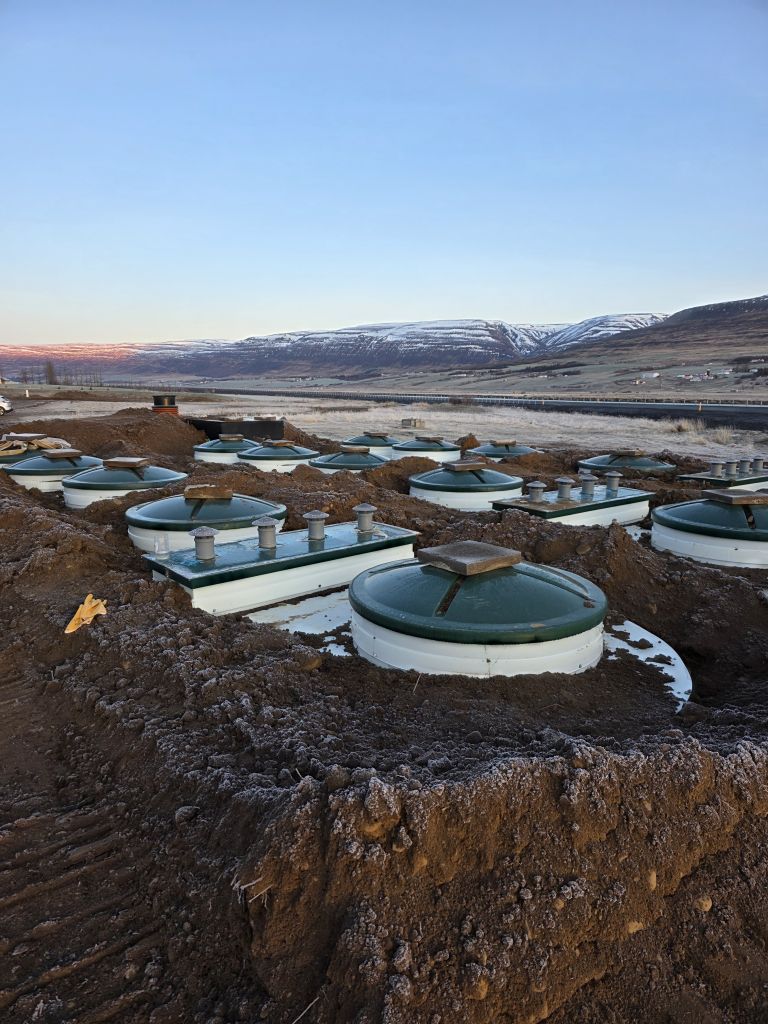
When the Health Inspectorate formally approved our treatment units for participation in the national ICE environmental initiative, it marked a significant milestone. It demonstrated that our joint technical approach met the highest expectations, both in terms of environmental protection and regulatory compliance. This approval created a strong sense of pride on our side and reinforced the feeling that the partnership between Hagvís and LZT is delivering solutions of real national importance. It was a moment that confirmed we were on the right path together.
Beyond business results, what positive effects do you think our collaboration brought to your community or to the environment?
The collaboration contributes directly to environmental protection in Iceland. By introducing modern pretreatment and biological treatment units, municipalities can reduce pollution loads into fjords, rivers, lakes, and coastal areas, many of which are ecologically fragile. This supports sustainable tourism, improves water quality, protects local ecosystems, and helps municipalities comply with both Icelandic and European standards. Additionally, the partnership has helped increase understanding among local engineers and decision-makers about decentralized treatment and sludge management, creating long-term benefits beyond individual projects.
Balancing sustainability goals with business needs is not always simple. Is there one insight or tip you would share with other companies facing similar challenges?
A key insight is that sustainability becomes economically viable when decisions are based on lifecycle thinking rather than initial costs. Accurate flow data, realistic sludge assumptions, and long-term operational planning allow clients to compare technologies properly. When solutions are evaluated over 15–20 years, the systems that provide better environmental performance often also deliver lower overall cost and higher reliability. Companies should invest early in structured data collection and transparent comparison models. This creates stronger decisions and broader buy-ins, especially from public stakeholders.
As you think about the future of your industry, what concerns and hopes do you have about wastewater treatment in your country? If you could improve one thing, what would it be?
Our main concern is that many municipalities in Iceland still rely on infrastructure that does not meet modern environmental standards. Although regulations are evolving, the pace of renewal remains slow, and sensitive natural areas continue to face pressure from both tourism and climate change.
Our hope is that Iceland will increasingly adopt decentralized, biological treatment solutions supported by clear national funding models and consistent technical requirements. If we could improve one thing, it would be the creation of a national roadmap that sets predictable performance standards, funding mechanisms, and implementation timelines. This would empower municipalities to plan long term, accelerate environmental improvements, and create a more resilient wastewater system for the future.